
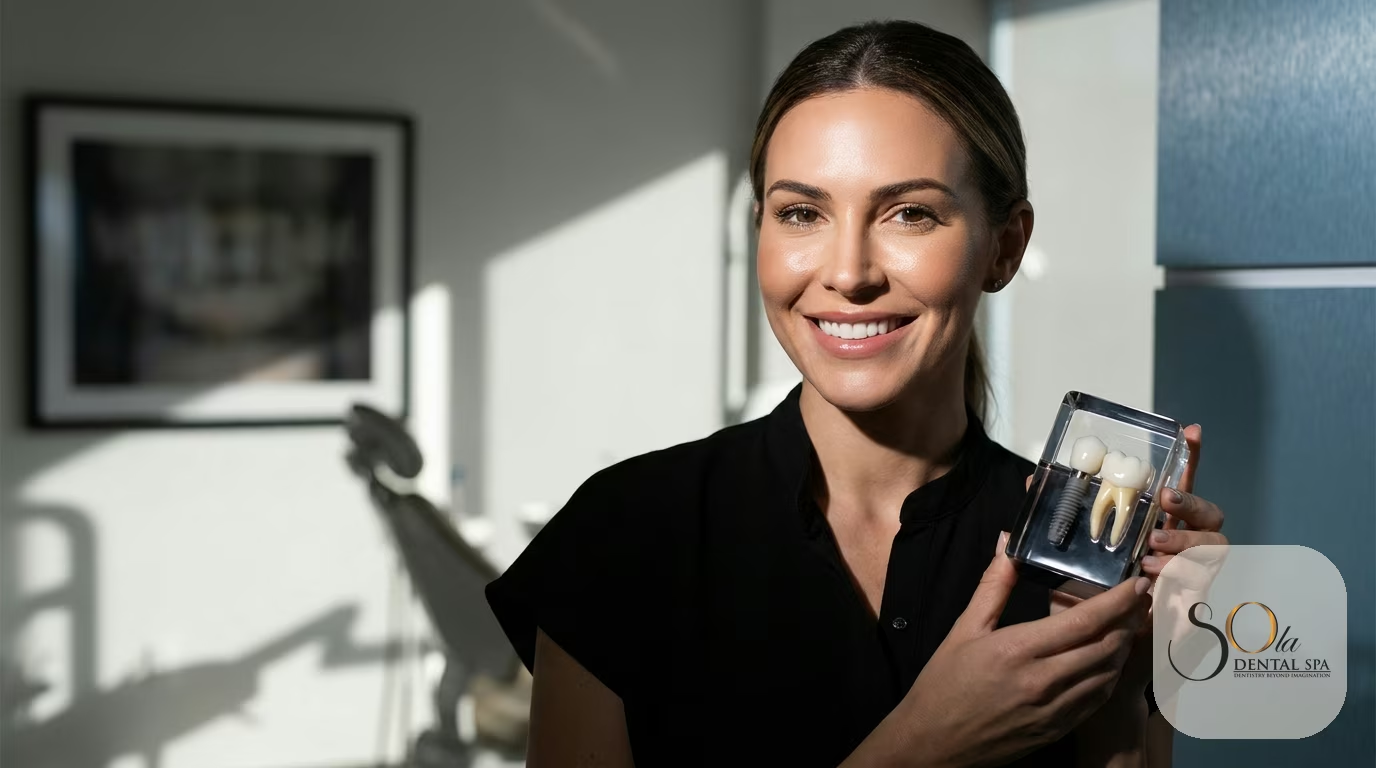
Dental implants are worth considering if you have missing teeth, loose or uncomfortable dentures, ongoing jawbone loss, or you simply want to eat and speak without restriction. They are surgically anchored into the jawbone, so they function and feel closer to natural teeth than dentures or bridges. At Sola Dental Spa in Staten Island, we evaluate your bone health, gum condition, and goals before recommending implants over other options.
1. Are you hiding your smile because of missing or damaged teeth?
Missing teeth or dentures that shift when you talk affect more than eating. Many patients change how they smile and speak to compensate, without realizing how much that costs them socially. Implants restore a natural-looking, stable smile so there is nothing to manage or hide.
2. Are you losing jawbone density?
When a tooth is missing, the jawbone beneath it is no longer stimulated by chewing and begins to break down over time. Left unaddressed, this bone loss changes the shape of the jaw and face. Implants are anchored directly into the bone the way a natural tooth root is, which helps maintain that bone structure.
3. Do you avoid certain foods because of your teeth?
Dentures and damaged teeth often force people to give up foods they used to enjoy, anything sticky, chewy, or firm becomes a problem. Because implants function like natural teeth, most patients return to eating normally, with the same daily brushing and flossing routine as any other tooth.
4. Are you tired of denture maintenance?
Dentures require adhesive, nightly soaking, and constant adjustment, and they can still shift while you eat or speak. Implants are fixed in place. There is no daily removal or adhesive involved, just the same oral hygiene routine you would use for natural teeth.
5. Are you noticing changes in your facial structure?
Bone loss and shrinking gum tissue from missing teeth can change the shape of the lower face over time, giving a sunken appearance around the mouth. Because implants preserve the bone that supports facial structure, they help prevent this shift.
6. Do you want a simpler long-term care routine?
Dentures need special cleaning solutions and daily handling. Implants only need the same brushing and flossing you would already do, plus regular dental checkups. Skipping that maintenance can still cause problems around an implant, so it is not zero effort, but it is far less involved than caring for removable dentures.
7. Has your bite force weakened?
Without teeth, chewing pressure shifts onto the gums and jawbone instead of being absorbed by tooth structure, which is both less effective and often uncomfortable. Implants restore bite force much closer to that of natural teeth.
8. Are you weighing the upfront cost against dentures?
Implants cost more upfront than dentures. Over time, though, dentures typically need replacement and ongoing supplies, while a well-maintained implant is built to last for decades. The comparison is worth running for your specific situation rather than assuming either option is automatically cheaper long term.
"The patients who do best with implants are the ones who understand it is a partnership. We handle the surgical and restorative side, but the same brushing, flossing, and checkup routine that protects natural teeth is what keeps an implant healthy for decades."
Dr. Daniel Nejat, DMD, Board-Certified Periodontist
Who tends to be a good candidate?
Implants generally suit patients who have lost one or more teeth and have enough healthy jawbone to support the implant, or who can have that bone rebuilt with a grafting procedure first. A full evaluation, including imaging, is the only reliable way to know whether you are a candidate. Learn more on our dental implants page.
Frequently asked questions
Am I too old for dental implants?
Age alone does not rule out implants. What matters is bone density, overall health, and gum condition, which your dentist evaluates individually.
Do implants require special care?
No special products are needed. Regular brushing, flossing, and dental checkups are enough to keep an implant healthy long term.
Can I get an implant right after losing a tooth?
Sometimes, depending on bone condition at the extraction site. In other cases the site needs to heal or be grafted first. Your dentist will tell you which applies to you.
Are implants noticeable?
No. The visible portion is a custom crown matched to your natural teeth, so it is not identifiable as an implant in normal conversation or a photo.
What happens if I do not replace a missing tooth at all?
The surrounding teeth can shift, the bite can change, and jawbone loss continues in that area. Replacing the tooth, whether with an implant or another option, prevents those downstream effects.
Sources: American Academy of Periodontology, Dental Implants